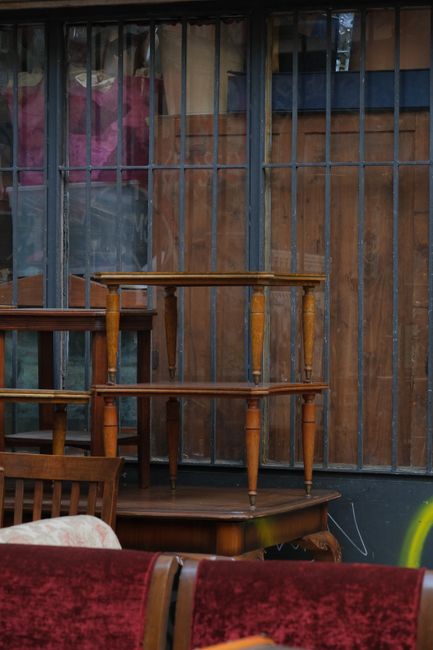
Common problems with furniture collection in Leytonstone
If you have ever tried to clear out a bulky sofa, a wardrobe that barely fits round the stairs, or a few awkward office chairs on a tight schedule, you already know how quickly furniture collection can become a headache. The common problems with furniture collection in Leytonstone are rarely dramatic on their own, but they pile up fast: access issues, last-minute delays, hidden fees, parking problems, and disposal worries. And let's be fair, nobody wants a half-finished clearance sitting in the hallway for another week.
This guide breaks down the practical issues people run into, why they happen, and how to deal with them without wasting time or money. It also explains what a smooth collection looks like in real life, what to check before booking, and how to avoid the usual traps. If you are comparing providers, you may also find it useful to look at furniture clearance options, furniture disposal support, or broader waste removal services where the job involves more than one item.
Table of Contents
- Why these problems matter
- How furniture collection works
- Key benefits and practical advantages
- Who this is for and when it makes sense
- Step-by-step guidance
- Expert tips for better results
- Common mistakes to avoid
- Tools, resources and recommendations
- Law, compliance and best practice
- Options and comparison
- Real-world example
- Practical checklist
- Conclusion
- Frequently asked questions
Why Common problems with furniture collection in Leytonstone Matters
Furniture collection sounds simple until you are standing in a flat with a corner sofa that will not turn, a lift that is out of service, and a narrow street where parking is already a small battle. In Leytonstone, as in much of London, the surrounding environment shapes the job. Homes vary a lot: Victorian terraces, mansion blocks, compact flats, maisonettes, converted properties, and busy shared buildings. That mix creates very real collection problems.
Why does this matter? Because the wrong plan can turn a quick clearance into a stressful afternoon. Items may block access, neighbours may be affected, and a missed collection date can disrupt a move, a renovation, or a tenancy handover. If the furniture contains mixed materials, damage, or contamination, disposal can get even more complicated.
The good news is that most issues are predictable. Once you understand them, you can prepare properly. Truth be told, that is half the job. The collection itself is only one part; the planning is what keeps the whole thing smooth.
How Common problems with furniture collection in Leytonstone Works
Furniture collection typically follows a straightforward pattern: you request a booking, describe the items, agree a time window or fixed slot, and the team collects the furniture for transport, reuse, recycling, or responsible disposal. The trouble starts when the details are incomplete or the property is harder to access than expected.
In practice, the process usually depends on a few key checks:
- What items are being removed
- How large, heavy, or fragile they are
- Whether the items must be carried down stairs or through tight communal areas
- Whether parking, loading, or lift access is available
- Whether the items are reusable, broken, or mixed with other waste
When any of those details are missed, the collection can slow down or cost more. For example, a wardrobe that seemed "manageable" over the phone may need partial dismantling on arrival. Or a sofa collection may take longer because the front entrance is too narrow to allow a clean lift-and-carry. You can avoid a lot of friction by being honest about the property, even if it feels a bit awkward to say, "Actually, the stairs are very tight and the hall turns sharply." Better that than a surprise on the day.
If you are arranging a larger clearance involving several rooms, a home clearance service may be more practical than a single-item collection. For landlords and homeowners dealing with full-property turnover, house clearance support can be a better fit.
Key Benefits and Practical Advantages
Understanding the common problems is useful, but it is just as helpful to know what a well-managed collection gives you back. A good furniture collection service should reduce stress, save physical effort, and stop the job from dragging on for days.
- Less manual lifting: Heavy furniture can be awkward and risky to move without the right technique.
- Cleaner spaces faster: Old items disappear in one go, which is useful during moves, refurbishments, and tenancy changes.
- Better disposal outcomes: Items may be reused, recycled, or separated more responsibly where possible.
- Reduced disruption: A planned collection is usually less disruptive than trying to sort everything yourself over a weekend.
- Less risk of damage: Proper handling helps avoid scuffed walls, broken banisters, and scratched flooring.
There is also a mental benefit that people underestimate. Once the furniture is gone, the room feels usable again. You open the door and notice the light, the floor space, the calm. Small thing, but it matters.
Who This Is For and When It Makes Sense
Furniture collection in Leytonstone is relevant to far more people than you might think. It is not only for people doing a full home clear-out. In many cases, it is the practical answer to a single awkward item that has become a nuisance.
This guide is especially useful if you are:
- Moving home and need bulky items removed before handover
- Refurbishing a flat and replacing old furniture
- Clearing out a rental property between tenants
- Managing an office move or workspace refresh
- Sorting inherited furniture from a home or loft
- Replacing worn-out items that are too large for normal household waste channels
It also makes sense when furniture is too heavy to move safely on your own, too big for a standard car, or too awkward to dismantle without tools. A quick job becomes a bad idea once back strain, broken plaster, or stairwell damage enters the picture. Nobody needs that sort of excitement on a Tuesday morning.
For business settings, it may be worth comparing furniture work with office clearance services or business waste removal when you are dealing with desks, meeting chairs, filing units, and packaging at the same time.
Step-by-Step Guidance
If you want fewer problems on collection day, the safest approach is to work through the job in order. It is not glamorous, but it works.
- List every item clearly. Include type, approximate size, and condition. A "small table" and a "dining table for six" are not the same thing.
- Check access. Note staircases, lifts, tight corners, garden routes, and whether the furniture needs to pass through a communal hallway.
- Measure the awkward bits. Door width, stair bends, and landing space are often where problems appear.
- Separate anything that may need special handling. Mirrored wardrobes, glass tables, or items with loose parts should be flagged early.
- Confirm parking or loading space. In a dense area, this can be the difference between a smooth visit and a delayed one.
- Ask what happens to the furniture. Reuse, recycling, and disposal methods matter, especially if you care about sustainability.
- Prepare the items. Empty drawers, remove personal belongings, and if possible, clear a route in advance.
One small practical tip: take photos before the collection. Not because it is dramatic, just because a picture of the actual items and access route can save a lot of back-and-forth. A quick phone snap is enough. Often, that one message avoids a whole lot of confusion later.
Expert Tips for Better Results
Here is where a bit of experience saves time. Most collection problems are not caused by the furniture itself. They come from assumptions. People assume the items are easier to move than they are, or that the access point is "basically fine" when it is actually not.
- Be precise about condition. If a sofa is broken, sagging, wet, or infested, say so. It affects handling and disposal planning.
- Plan around building rules. Some flats and managed blocks have specific loading times or noise sensitivities.
- Use dismantling only when it helps. Not every item should be taken apart, but beds, wardrobes, and modular units often become easier once reduced in size.
- Group items logically. Put all furniture in one accessible area if possible. It speeds things up and reduces carrying distance.
- Keep pathways clear. A free hallway is not just neat; it is safer.
If sustainability matters to you, ask about the handling route for collected items. A sensible service should explain whether pieces are reused, recycled, or sent for disposal where necessary. You may also want to review the company's recycling and sustainability approach so you understand how unwanted furniture is managed.
Expert summary: The easiest furniture collection is rarely the one with the fewest items. It is the one where access, timing, item size, and disposal expectations were all checked properly before anyone arrived.
Common Mistakes to Avoid
Some mistakes are harmless; others create immediate delays. The frustrating part is that most are avoidable with ten minutes of planning.
- Underestimating size and weight. A bulky armchair may look harmless until you try to angle it through a tight landing.
- Forgetting about parking restrictions. This is a classic London problem. If the vehicle cannot stop safely, the whole job becomes slower.
- Leaving belongings inside furniture. Drawers, cushions, and hidden items can add time and risk.
- Not measuring doorways. "It should fit" is not a measurement.
- Booking too late. When you are working to a move-out deadline, a delay can snowball quickly.
- Assuming every item can be lifted intact. Some pieces need careful dismantling, and some simply do not travel well in one piece.
A small one, but a common one: people sometimes forget communal neighbours. Loud dragging, repeated door opening, or blocked hallways can make the collection feel more stressful than it should. A tidy route and a respectful pace go a long way.
Tools, Resources and Recommendations
You do not need specialist equipment for every collection, but a few simple tools can make the process much smoother. If you are preparing the items yourself, these basics help more than you might expect.
- Measuring tape: Useful for doors, corridors, and large items.
- Phone camera: Take photos of access points, staircases, and item condition.
- Basic screwdriver or Allen key set: Handy for dismantling beds and flat-pack units.
- Gloves: Helpful for rough edges, dust, and older furniture.
- Labels or notes: Useful if multiple rooms or occupants are involved.
For people dealing with a larger clear-out, service combinations can matter. A one-room clearance may only need furniture removal, but bigger jobs may overlap with flat clearance, loft clearance, or garage clearance. If the furniture is part of a wider domestic clean-up, house clearance can bring the whole thing under one plan.
And if you want to understand the people behind the service before booking, it is sensible to read the about us page and check the company's insurance and safety information. That is just good practice, really.
Law, Compliance, Standards, or Best Practice
Furniture collection is not only about convenience. There are also sensible compliance and duty-of-care points to keep in mind. Without getting overly technical, anyone arranging removal should think about safe handling, proper disposal routes, and responsible transfer of waste where applicable.
In the UK, it is normal to expect a collection provider to work safely, avoid avoidable damage, and handle waste responsibly. If furniture is being removed as waste rather than for reuse, it should be managed through appropriate disposal and recycling routes where possible. For households and businesses, the core principle is simple: do not leave waste handling vague.
Best practice usually includes:
- Clear description of the items before collection
- Safe manual handling and lifting methods
- Appropriate vehicle loading
- Responsible separation of reusable and non-reusable items
- Transparent pricing or quote terms
If you are a landlord, tenant, or business owner, it is also sensible to check the service terms carefully. For example, read the terms and conditions and the company's payment and security information before confirming anything. A few minutes there can prevent confusion later. Not exciting, but useful.
Options, Methods, or Comparison Table
Not every furniture problem needs the same solution. Some people only need a single bulky item removed. Others need a structured clearance of several rooms. The right method depends on access, volume, urgency, and how much lifting you are happy to do yourself.
| Option | Best for | Potential downside | Typical advantage |
|---|---|---|---|
| Single furniture collection | One or two large items | May be inefficient for bigger jobs | Quick and straightforward |
| Furniture clearance | Multiple items or mixed furniture | Needs better planning | More efficient for larger volumes |
| Home or house clearance | Whole-property turnover, moves, inherited homes | More detailed coordination required | Can cover several rooms in one visit |
| DIY removal | Very small, light, manageable items | Higher effort and risk of damage | May suit simple situations |
If the job is complicated by tight access, stairs, or mixed waste, paying for the right service upfront is often the cheaper option in the end. Strange as it sounds, the cheapest booking can become the most expensive if it has to be redone.
Case Study or Real-World Example
Imagine a small Leytonstone flat where a tenant is moving out on Friday and needs a bed frame, mattress, two wardrobes, and a sofa removed before handover. On paper, it looks like a routine job. In reality, the building has a narrow stairwell, the lift is unavailable for maintenance, and the street has limited parking in the afternoon.
The first issue is access. The wardrobes may need partial dismantling before they can come down safely. The second is timing: a midday collection could clash with local parking pressure and neighbour traffic. The third is preparation: if the drawers are still full, each item takes longer to handle and the risk of damage rises.
The job goes smoothly only after the tenant measures the doors, empties the furniture, takes photos of the route, and makes sure the collection team knows about the stairs in advance. It is not heroic. Just organised. That is usually enough.
That sort of situation is exactly why furniture collection problems are worth planning for instead of hoping they will sort themselves out. They rarely do, annoying as that is.
Practical Checklist
Use this checklist before your collection day. It is simple, but it catches most of the issues that cause delays.
- Have I listed every furniture item clearly?
- Have I measured doorways, halls, and stair turns?
- Have I checked whether parking or loading access is possible?
- Have I emptied drawers and removed personal items?
- Have I confirmed whether anything needs dismantling?
- Have I told the provider about lifts, stairs, or access restrictions?
- Have I sorted out a clear pickup point?
- Have I reviewed pricing, terms, and payment details?
- Do I know what will happen to the items after collection?
- Have I built in a little flexibility in case the job takes longer than expected?
Practical takeaway: if you prepare the access, describe the items honestly, and choose the right type of collection, most of the stress disappears before the team even arrives.
Conclusion
The common problems with furniture collection in Leytonstone usually come down to the same few things: access, size, timing, parking, and unclear expectations. Once those are handled properly, the whole process becomes much less stressful. That is true whether you are clearing a single sofa, emptying a flat, or dealing with a larger property change.
What really helps is a calm, practical approach. Measure the awkward bits. Be honest about the items. Check the terms. Ask what happens next. Small steps, yes - but they make a big difference. And if you are trying to get a room back in shape after weeks of clutter, that first clear floor can feel surprisingly good.
Get a free quote today and see how much you can save.
If you are still weighing up the best route, you can also explore the company's pricing and quotes guidance or reach out through the contact page when you are ready. Sometimes the easiest next step is just asking a sensible question.
Frequently Asked Questions
What are the most common problems with furniture collection in Leytonstone?
The biggest issues are tight access, parking limitations, bulky items that do not fit through doors, last-minute changes, and unclear disposal expectations. In London properties, stairs and shared entrances are often the real sticking points.
Why do furniture collections get delayed?
Delays often happen because the furniture was described too loosely, access was harder than expected, or the vehicle could not park or load safely. A collection can also slow down if items need dismantling on the spot.
How can I prepare for a furniture collection in a flat?
Measure the route, clear hallways, empty drawers, and tell the provider about lifts, staircases, and any building restrictions. If the flat has a narrow stairwell, mention it early. That one detail can save a lot of hassle.
Do I need to dismantle furniture before collection?
Not always. Some items can be removed intact, but beds, wardrobes, and modular units may be easier to collect if partially dismantled. If you are unsure, ask in advance rather than guessing on the day.
What if my furniture is damaged or broken?
Broken items can still often be collected, but they may need different handling. Let the provider know if there are sharp edges, loose parts, wet materials, or structural damage so they can plan safely.
Is furniture collection different from furniture disposal?
Yes, slightly. Collection refers to the removal itself, while disposal covers what happens after the item is taken away. Many services handle both, but it is worth checking whether the furniture will be reused, recycled, or disposed of.
How much does furniture collection cost?
Costs vary depending on the number of items, the size and weight of the furniture, access difficulty, and the time required. For a realistic figure, it is better to request a quote based on the actual job rather than relying on a guess.
Can old furniture be recycled or reused?
Often, yes. Usable furniture may be suitable for reuse, while other items can sometimes be broken down for recycling. The exact route depends on condition, materials, and local handling arrangements.
What should I ask before booking a furniture collection?
Ask about access requirements, pricing, payment terms, what happens to the furniture, whether dismantling is included, and how any unexpected issues are handled. Clear answers here tend to mean fewer surprises later.
What is the safest way to move heavy furniture myself?
If you do move heavy pieces, use proper lifting technique, keep the route clear, and avoid twisting while carrying. But honestly, if the item is awkward or the stairs are tight, getting help is usually the better choice. Your back will thank you.
What if I need more than just furniture removed?
If the job includes mixed items, boxes, or other household waste, a broader clearance service may be more efficient. For larger projects, waste removal, home clearance, or office clearance may suit better than a single-item pickup.
How do I know a provider is trustworthy?
Look for clear service information, sensible terms, safety details, and transparent communication. Reading the about us page and checking the insurance and safety information can help you judge whether the provider looks organised and professional.