Garden Clearance in Leytonstone

Garden clearance in Leytonstone should feel straightforward: an organised way to remove outdoor waste, overgrown cuttings, broken items and other unwanted material so a garden can be used properly again. We provide a practical service for domestic and commercial outdoor spaces, with work shaped around the volume and type of waste rather than a one-size-fits-all approach. Whether a property needs a light tidy-through or a fuller clearance before the next stage of garden work, the aim is always to leave the space ready for what comes next.
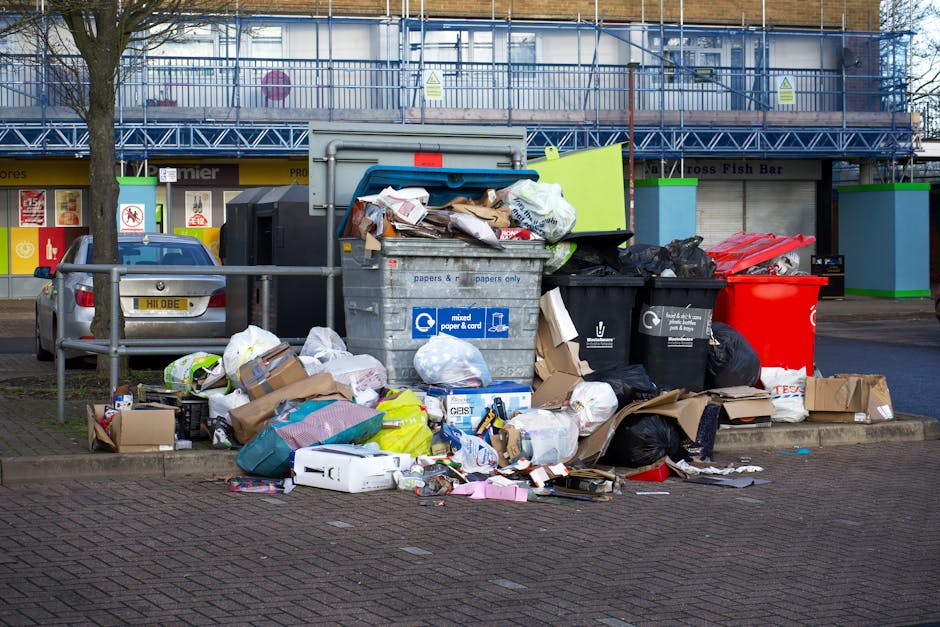
Our service covers typical green waste such as branches, hedge cuttings, leaves and grass, together with mixed outdoor rubbish that may build up in sheds, corners, side passages and patios. In many gardens, the challenge is not only the amount of waste but also how it has been left around fences, paths or planting beds. We can remove material from accessible areas, separate reusable items where appropriate, and deal with the rest in a controlled way that keeps the job efficient and tidy.
For a clear quotation, it helps to know what needs removing, how easy it is to reach, and whether there are bulky items mixed in with the garden waste. Share the details that matter, then compare the plan against the scope of work you need. If you are ready to make progress, you can request a quotation once you have a sense of the clearance required.
What our garden clearance service can handle
Garden clearance is often broader than simple green waste collection. A productive job may involve bagged clippings, loose branches, old plant pots, broken garden furniture, timber offcuts, fencing remnants and general outdoor clutter that has accumulated over time. We work with those mixed contents in a sensible way, so the task is not slowed by items that need different handling. The point is to restore order without asking you to separate every single piece in advance.
In practical terms, this means we can manage clearance after pruning, seasonal tidy-up work, landscaping preparation or a general outdoor declutter. Some customers need help with one heavy area, such as a timber stack or a concealed strip down the side of a property. Others want the full garden cleared from multiple sections. Where access is tighter, planning matters, and it is useful to think about the route from the garden to the vehicle as well as the material itself.
Useful details for a quotation: the approximate size of the area, the main types of waste, and whether any large items are involved. If you can also mention whether the garden is front, rear or split across levels, the plan can be matched more accurately to the work. For more detail on our wider clearance approach, see our garden clearance service page.
Clearance for overgrown gardens and neglected spaces

Some gardens need more than a standard tidy-up. When beds are overgrown, borders have become buried and waste has been left to build up, a clearance job needs to be handled methodically from the edges inward. We remove the unwanted material that is reachable and appropriate for collection, allowing the remaining garden to be assessed more easily. This kind of work is often the first practical step before replanting, repairs or a more structured seasonal maintenance plan.
Overgrown clearance can involve a combination of natural and man-made waste. That may include ivy trimmings, soil-filled plant containers, snapped branches, damaged trellis, old compost bags and general debris around paths or sheds. The useful decision is not simply what looks untidy, but what should be taken away to make the garden usable again. We focus on that distinction, which keeps the service grounded in real work rather than unnecessary disruption.
If you are arranging a larger job, it helps to note any access limitations such as narrow gates, steep steps or uneven ground. A clear description of the site makes it easier to judge labour and loading time. When you are ready, you can ask for a quotation that reflects the condition of the space and the material involved.
Green waste, branches and seasonal cuttings
Green waste is a core part of many garden clearances, and it behaves differently depending on how it has been stored. Loose hedge cuttings take up space quickly; branches can be awkward to carry; damp leaves may be heavier than expected; and mixed piles often need sorting before they can be loaded efficiently. We remove these materials in a way that reflects their actual condition on the day, which helps keep the work orderly and avoids unnecessary handling.
Seasonal clearance is especially useful after pruning, stormy weather or periods when a garden has not been used regularly. Even a modest amount of cut material can block access, cover paving or make a patio difficult to keep clean. By clearing the waste promptly, you make it easier to see the structure of the garden again, whether the next step is planting, mowing, repairing or simply making the area pleasant to use. The service can be scaled to the job in front of you.
For mixed green waste, a short list is often enough to shape the quote:
- branches and twigs
- hedge trimmings
- grass cuttings and leaves
- bagged garden waste
- light outdoor rubbish mixed with organic material
Bulky outdoor items and mixed garden clutter

Not every garden clearance is made up of green waste alone. Many outdoor spaces contain items that are too large for ordinary bins, including broken chairs, plant stands, damaged storage units, old tables, paving offcuts, disused planters and pieces of timber or fencing. These objects can be awkward because they take up room, break up the working area and often need moving before the rest of the waste can be reached. A good clearance plan deals with the bulky items first or at the same time, so the garden becomes manageable again.
Mixed clutter also includes the smaller items that tend to collect in corners: cracked trays, empty pots, bags of old soil, faded decorations and odds and ends left after several separate jobs. The best approach is to treat the garden as a whole rather than as isolated piles. That allows for better loading decisions and reduces the chance of leaving behind the awkward pieces that are most likely to get in the way later. We aim to clear the available waste neatly and sensibly.
When asking for a quotation, mention any item that may need two people, extra handling or careful manoeuvring around walls and narrow paths. Good preparation is simply good information; photographs can help, but a written summary is useful too. If your garden includes a mix of reusable and disposable outdoor items, it is worth flagging that early so the scope is properly understood.
How access and layout affect the work
Garden clearance is shaped by access as much as by the waste itself. A garden that opens directly onto a drive is usually simpler to work through than one reached by a side passage, shared entrance or narrow rear route. Steps, corners, sheds and low fencing can all affect how quickly material can be carried out. Rather than treating every site the same, we consider the layout so the work is approached in a practical order.
In many cases, the most efficient method is to clear the easiest-to-reach waste first, then move into the tighter areas once the route is open. That can make a noticeable difference when the garden contains both light cuttings and heavier items. It also helps when waste is spread across more than one surface, such as lawn, hardstanding and outbuildings. The clearer the access picture, the easier it is to plan the clearance.
For fuller information about the type of work we cover, see our waste removal page. If your garden job is part of a broader tidy-up around the property, that can help you decide whether the clearance should be arranged as one visit or as separate tasks.
Preparing for a quotation
A sensible quotation depends on the type and amount of waste, the access route and any items that need special handling. For garden work, that often means describing the visible piles, the number of bags or containers, and whether the clearance is mostly green waste or a mix of outdoor rubbish. You do not need to produce a perfect inventory. What matters is enough detail to match the job to the time and labour involved.
The most helpful preparation is usually simple: identify what should go, decide what must stay, and make sure access is available on the day. If there are fragile plants, fixed structures or areas you want left untouched, point those out before the work starts. That keeps the clearance focused and reduces uncertainty. A tidy brief also helps when the garden is shared, rented or part of a property sale, where clear boundaries matter.
To continue, you can request a quotation with a short description of the garden and the waste that needs removing. For information about related pricing and what may influence it, our pricing and quotes page gives a useful overview.
Disposal, sorting and the way the waste is handled
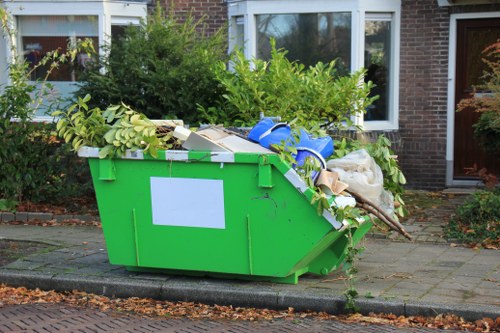
Garden clearance does not end when the waste leaves the property. Different materials need different treatment, especially when a job combines green waste, timber, plastics and general outdoor rubbish. The practical side of the service is therefore not only collection but also sensible sorting. That makes it easier to manage what has been removed in a way that suits the material, while keeping the customer-facing part of the job clear and efficient.
From a homeowner’s point of view, this matters because a mixed pile is rarely a simple pile. A load may contain branches that can be dealt with differently from old pots, damaged fencing or loose domestic items stored outdoors. By dealing with those categories carefully, the clearance remains organised. It also avoids the confusion that can come from trying to treat every item as if it were the same kind of waste.
Our recycling and sustainability page explains more about the approach taken to sorting and responsible handling. If you are comparing options, it can be useful to know whether your job is mainly green waste, mainly outdoor rubbish, or a mixture of both, because that shapes the way the quote is put together.
Garden clearance for homes, rentals and external storage areas
Different properties need different levels of support. A family garden may need a seasonal clearance after a long build-up of clippings and broken outdoor items. A rental property may require the space to be returned to a presentable state between occupiers. External storage areas, side returns and rear yards can also collect waste in a way that looks modest at first but quickly becomes awkward to manage. We approach each of these as a clearance task rather than as a decorative garden job.
That means we can clear material from spaces that are not always used for leisure: shared outdoor areas, narrow borders behind outbuildings, paved yards and neglected corners where rubbish has gathered. The service is useful wherever the main need is removal rather than landscaping. It is also suitable when the property owner wants the area opened up before cleaning, repair or follow-on work. The aim is to leave the space emptied, not redesigned.
For general home-based clearances beyond the garden, our home clearance page may also be helpful. You can use the same straightforward approach here: describe what is visible, note anything bulky, and say how the garden is accessed. That is enough to start a sensible estimate.
About Leytonstone

Leytonstone is an area in east London within the London Borough of Waltham Forest, set around one of the key routes into and out of the capital. Its name is often associated with the old milestones on the historic road to Epping, and that older movement corridor still helps explain the character of the district today. The area has long combined residential streets with busy local shopping stretches, creating a pattern of movement between quieter side roads and more active high streets. Much of Leytonstone’s built environment reflects late nineteenth- and early twentieth-century growth, with terraces, mansion blocks and later infill development sitting alongside older fragments of village-scale settlement. The local street pattern is varied, with pockets of dense housing, corner parades and routes that connect towards Leyton, Wanstead and Forest Gate. One of the best-known landmarks is the Memorial Clock at the junction of Church Lane and High Road, which has become a familiar point of reference for the district. The area is also noted for its connections to Alfred Hitchcock, who was born here and is remembered through public art and local references. Nearby green space adds another layer to the character of the place: Wanstead Flats lies to the north-east and offers a large open landscape within easy reach of the urban streets, while smaller parks and tree-lined roads soften many of the residential sections. Leytonstone Underground station links the district to the Central line, which has helped make it an accessible part of east London for many years. The overall impression is of an area shaped by transport, suburb growth and a strong everyday mix of homes, shops and open spaces, with a local identity that remains clear without being isolated from the rest of the city.
Household rubbish, garden debris and what to leave in place
Garden spaces often accumulate more than plants and pruning waste. A clearance may uncover household rubbish stored outside, damp cardboard, broken planters, packaging, soil bags, worn hose reels or items that were moved out temporarily and never brought back in. The useful question is not whether something is technically outdoor waste, but whether it belongs in the clearance and can be removed without disturbing what should remain. That keeps the job targeted and avoids unnecessary handling.
It is equally helpful to leave in place anything that forms part of the garden structure or a separate project you still intend to complete. Trellises, permanent pots, working tools, fixtures and items being reused should be identified before the clearance begins. That saves time and reduces the chance of removing something by mistake. A tidy, defined scope is the most effective way to keep the work efficient and accurate.
If your clearance has a few overlapping pieces, mention them all in one go rather than spreading the information across several messages. You can ask for a quotation once the main piles and any awkward items are clear. If you need to compare this with another kind of property clearance, our house clearance page is another relevant starting point.
Choosing the right scope for your garden job
One of the most important choices is whether the clearance should cover the whole garden or only selected areas. Full clearance is suitable when the space has become difficult to use, when multiple waste types are mixed together, or when you want the garden fully opened up for follow-on work. Partial clearance can be enough when the main issue is one pile, one corner or a specific section near a fence, shed or path. The right choice depends on the condition of the space and the outcome you want.
It also helps to consider timing. Some customers want the garden cleared before repairs, others before a sale, a tenancy handover or a new planting plan. That does not change the basic service, but it does influence how the job is organised. A defined objective usually leads to a more useful estimate because the work can be matched to the actual endpoint you want, not just the visible waste at the entrance.
For a final step, keep the request brief and factual: what needs removing, how the garden is reached, and whether there are bulky or mixed items. Then request a quotation and let the scope do the work. If you would like to speak to us about an enquiry, the contact us page is available as the next place to go.