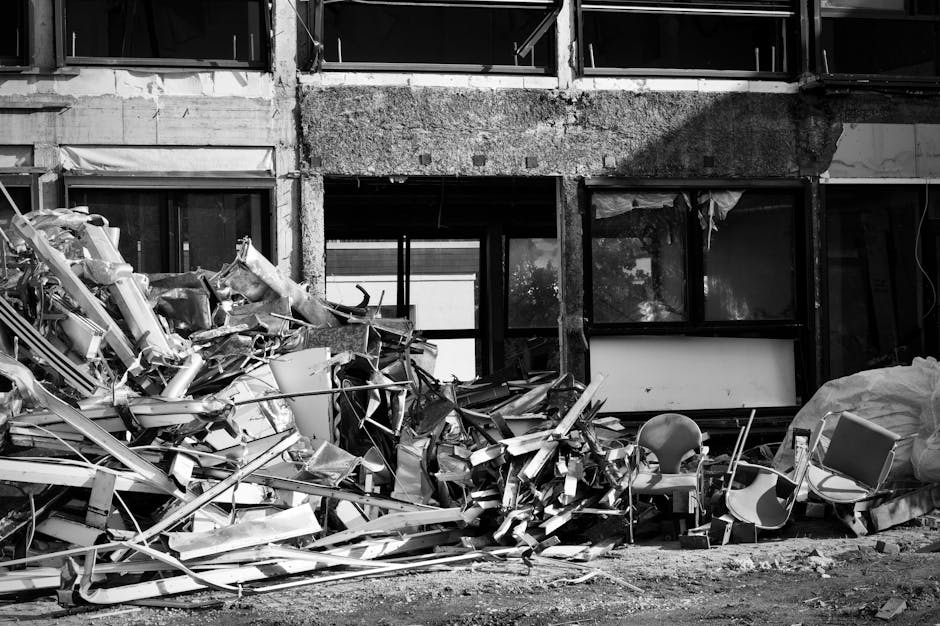
Whipps Cross hospital bulky waste removal Leytonstone: a practical guide for safe, tidy clearance
If you're trying to sort out Whipps Cross hospital bulky waste removal Leytonstone, you're probably dealing with more than just "a few bits to throw away." It might be an old chair that won't fit through the lift, a broken mattress, packaging from a delivery, or a pile of mixed clutter that has quietly grown legs. And when it needs moving from a busy hospital setting or somewhere close by in Leytonstone, the job has to be handled with care, timing, and a bit of common sense.
This guide walks you through how bulky waste removal works in practice, what to expect, which mistakes to avoid, and how to choose the right approach for a hospital-adjacent or local clearance job. We'll keep it plain English. No fluff, no fancy jargon, just useful advice that helps you make a good decision.
Why Whipps Cross hospital bulky waste removal Leytonstone matters
Bulky waste sounds simple until you meet the reality of it. Large items take up space, interrupt access, and can create safety issues very quickly. In a hospital environment, or anywhere close to one, that matters even more. Corridors need to stay clear. Fire exits must remain unobstructed. Lifts are often in near-constant use. Staff, patients, visitors, and deliveries all move through the same spaces, sometimes at the same time.
That's why bulky waste removal in this part of Leytonstone is not just about getting rid of items. It's about doing it without causing disruption. A good clearance plan keeps movement easy, avoids blocked routes, and stops waste sitting around longer than necessary. To be fair, that is the bit many people underestimate.
There's also the local context. Leytonstone is busy, and Whipps Cross draws a lot of traffic around it. If waste is being removed from a nearby property, office, contractor base, or healthcare-related premises, timing and access can be just as important as the collection itself. A van parked badly or a lift held up for too long can create a ripple effect nobody wants on a hectic day.
If your project is more general household or mixed-property clearance rather than hospital-specific, services such as home clearance, house clearance, and flat clearance are often the most relevant starting points. For office furniture, paperwork, desks, and workplace clutter, office clearance is usually the better fit.
How Whipps Cross hospital bulky waste removal Leytonstone works
The process is usually straightforward, but the best jobs are the ones that are thought through before a single item is lifted. In practice, bulky waste removal tends to follow a few clear stages.
1. Identify what needs clearing
Start by listing the items. Are they furniture, packaging, broken fixtures, storage items, filing cabinets, old shelving, or a mix? The more accurate the list, the easier it is to plan the right vehicle size, team size, and loading time. This is where people often save money without trying very hard.
2. Check access and restrictions
In or near Whipps Cross, access can be the difference between a smooth job and a frustrating one. Think about loading bays, lifts, stairs, narrow corridors, parking limits, and any time windows for collection. If the route out is awkward, that needs to be known up front. Nothing glamorous here, just practical reality.
3. Separate waste types where possible
Bulky waste can contain reusable items, recyclable materials, and general rubbish all in one pile. Separating them helps with recycling and can make the work more efficient. A mixed pile of office chairs, wood, metal, and cardboard is very different from a few large furniture pieces. If you are clearing multiple item types, furniture clearance and furniture disposal may be useful related services to consider.
4. Arrange collection and loading
A professional team will normally handle loading, lifting, transport, and disposal planning. That means less manual strain for you and fewer chances of damage in tight spaces. In a hospital-adjacent setting, quiet and careful movement is often more important than speed. Fast is nice. Controlled is better.
5. Sorting, recycling, and final disposal
Once removed, items should be sorted for reuse, recycling, or disposal. Responsible operators usually aim to divert as much as possible away from landfill where practical. If sustainability matters to your organisation, it's worth looking at recycling and sustainability as part of the decision-making process.
Key benefits and practical advantages
The obvious benefit is that the clutter goes. But the real advantages are broader than that. Good bulky waste removal gives you space, control, and a calmer working environment. That sounds simple, yet in a busy location it can change how a site feels instantly.
- Safer access: clear walkways reduce trip hazards and help staff move freely.
- Less disruption: items are removed in one coordinated visit rather than over several awkward trips.
- Better presentation: tidy spaces look more professional for visitors, contractors, and staff.
- Less manual strain: heavy lifting is handled by people who are used to it.
- Improved recycling outcomes: items can be sorted properly instead of being dumped together.
- More predictable timing: a planned removal is usually easier than waiting until the pile becomes unmanageable.
There's also a less obvious benefit: peace of mind. A cleared space removes one more thing from your mental list, and if you've ever managed a busy site, you'll know that list never seems to get shorter. One less thing. That matters.
Who this is for and when it makes sense
This kind of removal makes sense for a wide range of people and situations. You might be managing a healthcare-related facility, a nearby commercial unit, a residential property, or a contractor base supporting work around Whipps Cross. The common thread is simple: you have large items that are awkward to move and you want them gone properly.
Typical users include:
- hospital support teams and facilities managers
- local landlords handling end-of-tenancy clearances
- business owners replacing old furniture or storage
- builders clearing debris after light works
- families dealing with inherited or accumulated bulky items
- flat residents where stair access makes DIY removal difficult
It also makes sense when you have a deadline. Maybe a room has to be made ready before new equipment arrives. Maybe a tenancy ends next week. Maybe the old sofa is sitting in the hallway like an unwelcome guest. In that moment, the question is not "Can I move it eventually?" The question is "How do I clear this without making my day worse?"
If the waste includes construction leftovers, packaging, plasterboard offcuts, or mixed renovation debris, it may be more suitable to look at builders waste clearance. For mixed general waste, waste removal is often the broadest match.
Step-by-step guidance
If you want the process to run smoothly, the best approach is to break it down. No drama. No panic. Just a sensible plan.
- Make an inventory. Write down every bulky item, even the odd one that seems minor. A single filing cabinet can change the whole job.
- Measure awkward pieces. Doorways, stairwells, lifts, and turning spaces matter more than people think.
- Decide what stays and what goes. This avoids that awkward moment where something useful is removed by accident. Happens more than you'd expect.
- Check where the items are located. Basement, upper floor, loading area, back room, or side access? Each one changes the plan.
- Choose the right service type. Furniture, office furniture, household items, garage clutter, loft items, or mixed waste all have slightly different handling needs.
- Book a suitable time window. If the setting is busy, early mornings or quieter periods can reduce disruption.
- Prepare the route. Keep paths clear, move fragile items aside, and protect floors if needed.
- Confirm what happens after collection. Ask how recycling or disposal will be handled, especially if sustainability is important.
A small bit of preparation saves a surprising amount of time. You know how it is: the piece everyone thought would be easy is the one that catches on the door frame. Then the whole job slows down. A ten-minute prep can save half an hour of faffing.
Expert tips for better results
In our experience, the best bulky waste jobs are the ones where somebody has thought like a site manager for ten minutes. Not forever. Just enough to spot the issues early.
- Keep mixed items together by category. Put wood, metal, furniture, and general rubbish in separate groups if you can. It helps sorting later.
- Flag anything heavy or fragile. A large mirror, medical equipment casing, or awkward metal frame needs different handling from a sofa.
- Plan around building traffic. If lifts, corridors, or entrances are busy, a short delay can be better than a rushed move.
- Photograph the pile before collection. Not for drama. Just for clarity and record-keeping.
- Ask about recycling upfront. It is much easier to make a responsible plan before loading starts.
- Use the right clearance service. A garage load is not the same as a full house clearance, and it should not be priced or planned as if it were.
Here's a useful rule of thumb: if the items need carrying carefully, waiting for lift access, or moving through a shared space, they are already beyond a simple DIY job. That's the point where professional handling starts to make sense.
Common mistakes to avoid
Most problems are preventable. Annoying, yes. But preventable.
- Underestimating access issues. A route that looks fine in your head can be awkward in real life.
- Leaving sorting until the last minute. Mixed waste slows everything down.
- Booking too late. If the room must be cleared by a fixed date, last-minute arrangements create stress fast.
- Not checking item condition. Some items may be reusable; others are clearly disposal-only. That distinction helps planning.
- Forgetting about parking or loading restrictions. In busy Leytonstone areas, that can be a real headache.
- Choosing the wrong service. A general clearance service may be fine, but a specialist job sometimes needs a more specific approach.
One common mistake is assuming bulky waste is the same thing as ordinary bin waste, only bigger. It really isn't. Size, weight, access, and sorting all change the job. Quite a lot, actually.
Tools, resources and recommendations
You do not need a warehouse full of equipment, but the right basic tools help.
- Tape measure: useful for checking doors, stairs, and lift dimensions.
- Markers or labels: helpful if items are being sorted into keep, remove, recycle, or donate piles.
- Protective gloves: good for handling rough edges or dusty items.
- Floor protection: especially useful in older buildings, shared corridors, or polished interior spaces.
- Mobile photos: a quick way to document the scale of the job before work begins.
If you are comparing service types on the site, it may help to review furniture clearance, garage clearance, and loft clearance because each one suits different clutter patterns. A loft full of old boxes is not the same as a garage full of heavy shelving. Same general problem, different solution.
If your need is tied to a workplace rather than a home, business waste removal may be a better match. For pricing clarity, pricing and quotes is the place to review before you book.
Law, compliance, standards and best practice
When waste is being removed from a hospital-related or commercial setting, compliance matters. You do not need to become a legal expert, but you do need to follow sensible UK waste-handling practice. In plain terms, that means using a provider that understands duty of care, correct disposal routes, and the need to handle waste responsibly.
For bulky waste, the most important practical standards are usually these:
- Proper segregation: items should be sorted where practical, especially recyclable materials.
- Safe lifting and handling: heavy or awkward items should be moved by trained people using sensible methods.
- Clear documentation: businesses should be able to show that waste has been handled appropriately.
- Site safety awareness: shared spaces, fire exits, and public routes should remain clear.
- Respect for privacy and sensitivity: particularly relevant if the items came from a healthcare or office environment.
If you are arranging a clearance for a workplace, it is smart to review the company's own health and safety policy and insurance and safety information before work begins. For organisations with broader internal governance needs, terms and conditions and privacy policy can also be worth checking. That's not box-ticking for the sake of it; it keeps expectations clear.
Best practice also means being honest about what the job includes. If the collection involves more than simple bulky waste, say so early. If it includes mixed materials, restricted access, or multiple floors, that should shape the plan from the beginning.
Options, methods and comparison table
Different waste situations call for different methods. Below is a simple comparison to help you work out which option is the best fit.
| Method | Best for | Strengths | Limitations |
|---|---|---|---|
| DIY removal | Small, light, easy-to-carry items | Can seem cheaper at first; full control over timing | Risk of injury, transport issues, and disposal mistakes |
| Van-and-man style clearance | Single bulky items or mixed loads | Flexible, quick, suitable for awkward access | Needs clear item lists and access planning |
| Specialist furniture disposal | Chairs, desks, beds, cabinets, and other large furnishings | Efficient for reusable or recyclable furniture | May not suit mixed non-furniture waste |
| Full clearance service | Large volumes from homes, flats, offices, or storage spaces | Best for complex jobs and multi-room clearances | More planning needed up front |
If the job is mainly furniture, a dedicated furniture disposal approach is often more efficient. If the space is larger and mixed-up, a broader home clearance or waste removal route may be simpler.
Case study or real-world example
Imagine a small clinic-adjacent office near Whipps Cross that needs to clear out three old desks, a set of storage units, several broken chairs, and a handful of cardboard cartons left after a refit. The team can still work in the space, but every spare corner is being used for storage, which is never ideal. The corridor is narrow, the lift is shared, and there's a steady stream of people moving through the building from early morning.
Instead of trying to move everything in bits and pieces over several days, the manager maps out what stays and what goes, measures the biggest desk, and clears a route from the room to the loading area. The items are then removed in one go, with the heavier pieces handled first and the lighter waste stacked separately. Nothing fancy. Just careful organisation.
The result? Less disruption, fewer repeated trips, and a room that can be handed back into use far sooner. That's the practical win. Not exciting perhaps, but very real.
This same approach works just as well in a home setting, a flat, a garage, or a loft. The principle doesn't change: identify the load, make access easy, and choose the right type of clearance. Simple. Not always easy, but simple.
Practical checklist
Use this checklist before booking or on the morning of collection:
- List every bulky item that needs removing
- Separate keep, recycle, donate, and dispose piles
- Measure doors, lifts, stairwells, and tight corners
- Check parking, loading, and access restrictions
- Confirm the best collection time for the site
- Make sure walkways and exits are clear
- Flag fragile, heavy, or awkward items in advance
- Ask how reusable or recyclable materials will be handled
- Review pricing and what is included
- Keep any necessary site contact details handy
If you want the job handled with less hassle, that little checklist goes a long way. Honestly, it saves headaches.
Get a free quote today and see how much you can save.
Conclusion
Whipps Cross hospital bulky waste removal Leytonstone is really about smart, safe clearance in a busy place. Whether you are managing a workplace, a nearby property, or a mixed bulky load that has become too awkward to ignore, the best outcomes come from good planning, the right service type, and a proper focus on access and disposal.
Choose carefully, sort early, and keep the process calm. That's usually how the job gets done cleanly, quickly, and without unnecessary stress. And once the space is clear, you tend to feel the difference straight away. Airy, quieter, easier to move through. A small relief, but a genuine one.
When you are ready to take the next step, use the service pages that fit your waste type and timeline, and make sure the removal plan suits the space rather than fighting it.
Frequently Asked Questions
What counts as bulky waste in a Whipps Cross or Leytonstone setting?
Bulky waste usually means large items that are too awkward for normal household bins or standard refuse collection. Think furniture, cabinets, mattresses, large packaging, shelving, and other oversized items.
Is bulky waste removal different from general waste removal?
Yes. General waste may cover smaller mixed rubbish, while bulky waste involves larger items that need lifting, loading, and transport planning. The access issues are usually very different too.
Can hospital-adjacent bulky waste be removed quietly and with minimal disruption?
It should be. Good planning, suitable timing, and careful loading are all part of a professional approach. In a busy area, low-disruption removal is often the main requirement.
Do I need to sort items before collection?
It helps a lot. Sorting by category makes the removal faster and can improve recycling outcomes. It also reduces confusion about what is staying and what is going.
What if the bulky items are on an upper floor or in a flat?
That is very common, especially in Leytonstone. It just means access needs to be checked more carefully. Flats, stairs, and narrow landings all influence the plan.
How do I know whether I need furniture clearance or waste removal?
If the job is mostly furniture, a dedicated furniture service is often the better fit. If the load is mixed or includes non-furniture items, broader waste removal may be more suitable.
Can this type of service handle office clearances as well?
Yes, if the job involves desks, chairs, cabinets, and other workplace items, an office clearance service is often a sensible match.
What happens to the waste after it is collected?
Responsible providers should sort items for reuse, recycling, or disposal where practical. The exact route depends on the item type and condition.
Are there safety issues to think about with bulky waste?
Absolutely. Heavy lifting, blocked exits, trip hazards, and awkward turns can all create risks. That's why safe handling and clear access matter so much.
How far in advance should I book?
As early as you can, especially if the collection has to fit around busy access times or a fixed deadline. Last-minute bookings can still work, but they are less comfortable for everyone involved.
Can I combine bulky waste with other clearance work?
Often yes. For example, a bulky waste job might be combined with a garage clearance, loft clearance, or broader house clearance if the space needs a fuller reset.
Where can I check company information before booking?
You can review pages like about us, insurance and safety, and recycling and sustainability to understand how the service is run and what standards it follows.